Eddie Palmieri, leyenda del piano y de la música afrocaribeña, ya no camina entre nosotros.
Se fue en silencio… aunque lo dudo, porque el silencio nunca fue su lenguaje.
Lo más seguro es que partió tocando un montuno endiablado, sentado en un trono de cuerdas, metales y tambores, mientras los ángeles del Caribe bailaban guaguancó a su paso.
Se fue mi maestro.
Mi mentor.
El hombre que no solo me abrió las puertas de la historia de la salsa: me inventó un lugar dentro de ella.
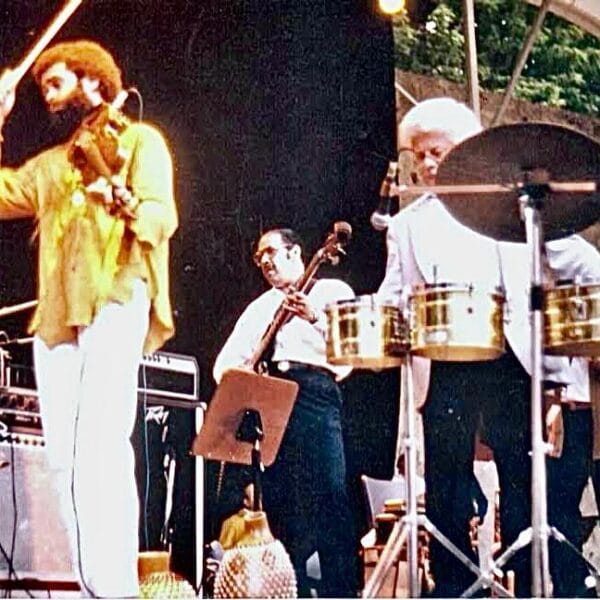
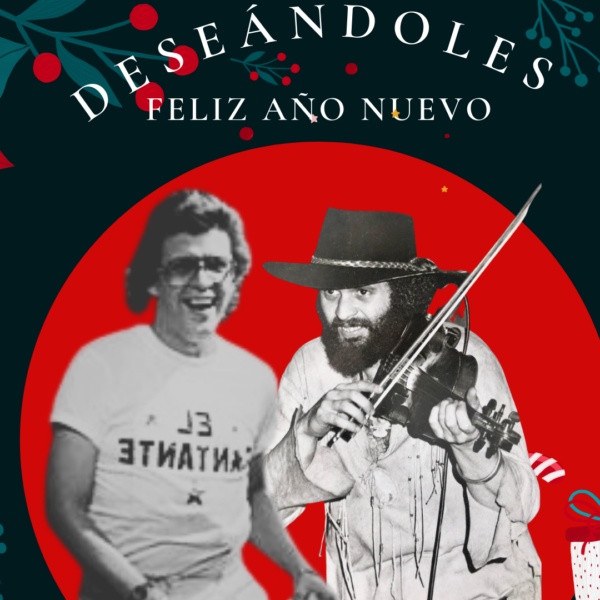
Fue Eddie quien me convirtió en el primer violinista solista en este género.
En un mundo donde el violín era apenas un susurro escondido entre trompetas, él me dio voz, alas, identidad.
Me puso al frente y me dijo: “Toca, que tú tienes fuego”.

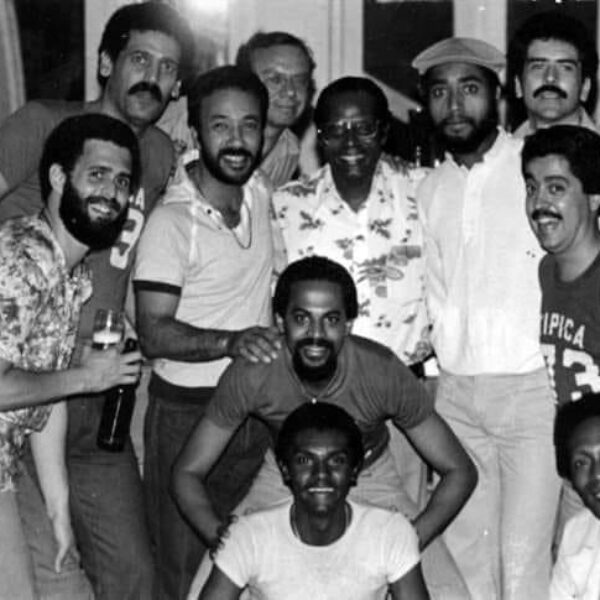
Estuve con él en la primera producción suya que ganó un Premio Grammy.
Pero el verdadero premio fue aprender a su lado.
Ver cómo hablaba con los instrumentos.
Cómo exigía perfección con la mirada.
Cómo rompía las leyes de la armonía sin pedirle permiso a nadie.
Era un revolucionario con alma de chamán.
Eddie Palmieri no solo componía canciones: invocaba espíritus.
Cada nota suya venía con sudor, con calle, con filosofía.
Era un científico del ritmo, un poeta rumbero, un profeta afrolatino.
El piano era su altar, y nosotros, sus discípulos.
Hoy, la salsa y la música latina están de luto.
Pero no hay tristeza: hay gratitud, hay memoria viva, hay tambor resonando en el pecho.
Porque cada vez que alguien se atreve a romper moldes,
cada vez que un joven sueña con su instrumento como una espada,
cada vez que un ritmo afrocaribeño sacude el alma del mundo…
Eddie Palmieri sigue aquí.
Yo lo llevaré conmigo en cada nota.
Porque su fuego vive en mi arco, en mi violín, en mi historia.
Gracias por tu luz, maestro eterno.
La salsa no volverá a ser la misma sin ti.
Y yo, tampoco.
Eddie Palmieri’s band, La Perfecta, influenced Alfredo De La Fé’s style:
- Orchestral instrumentation and arrangements: De La Fé was exposed to Palmieri’s innovative approach to orchestration, particularly the use of trombones in place of the more common trumpets in salsa bands at the time. Palmieri’s band also utilized a unique combination of two trombones, a flute, percussion, bass, and a vocalist, creating a distinct “trombanga” sound, according to World Music Central. This exposure to innovative and unconventional instrumentation and arrangements likely encouraged De La Fé to experiment further with the violin’s role in salsa, moving beyond traditional classical music approaches.
- Emphasis on improvisation and experimentation: Palmieri’s music is known for its strong improvisational elements and his willingness to push the boundaries of traditional Latin music. This environment of creative exploration undoubtedly influenced De La Fé, who later became known for his fiery and technically brilliant violin solos.
- Jazz influences: Palmieri’s playing skillfully blends Afro-Cuban rhythms with jazz influences, drawing inspiration from jazz artists like Thelonius Monk, McCoy Tyner, and Herbie Hancock. This exposure to jazz harmonies and improvisational techniques likely influenced De La Fé to incorporate these elements into his own playing, expanding his vocabulary as a soloist.
- “Craziness” and boldness: De La Fé himself credits Palmieri with teaching him the “craziness” of music, contrasting it with the more rooted influences he received from José Fajardo. Palmieri’s music was described as “in your face, aggressive, full of passion and meaning,” and this bold approach to music likely encouraged De La Fé to be more expressive and daring in his own performances.
- Shifting perspectives on performance: Palmieri’s approach to music and performance also shifted De La Fé’s perspective on how to approach performing in a positive way. This suggests that De La Fé learned not only technical and musical skills from Palmieri but also gained a deeper understanding of the expressive and emotional potential of music.